






🎨 Quick Answer: What Colors Make Brown?
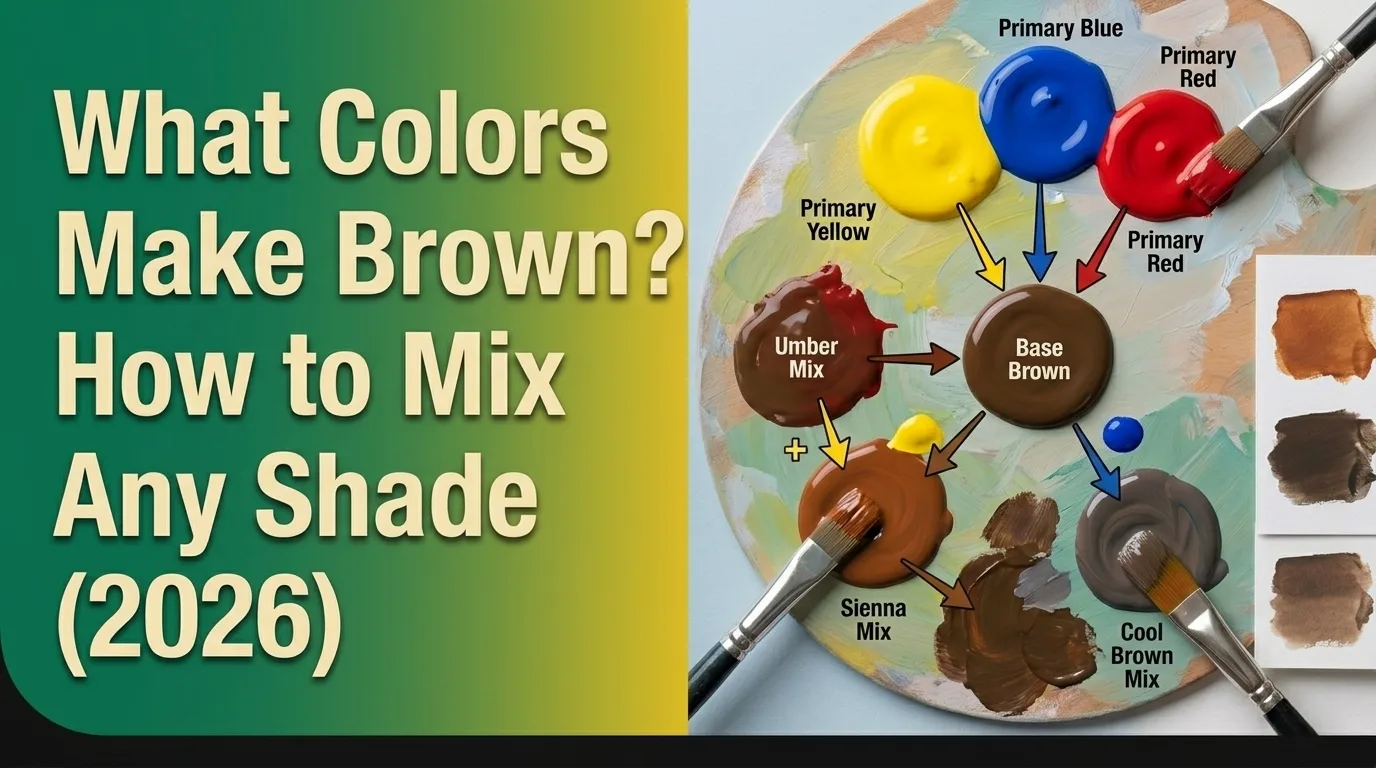
Red + Yellow + Blue (or Complementary Pairs like Blue + Orange, Red + Green). In traditional subtractive color theory (painting and pigments), brown is a secondary color made by combining two primary colors. But the exact shade depends entirely on your pigment temperature and mixing ratios.
Standing in front of a blank canvas with a palette knife in hand, trying to figure out what colors make brown can feel frustrating if you rely purely on guesswork. Every single tube of paint reacts differently, and a simple shift in ratio can turn a warm chestnut into a muddy sludge. Let us break down the exact ratios and pigment choices you need to mix any brown imaginable.
What Two Colors Make Brown? Color Theory 101
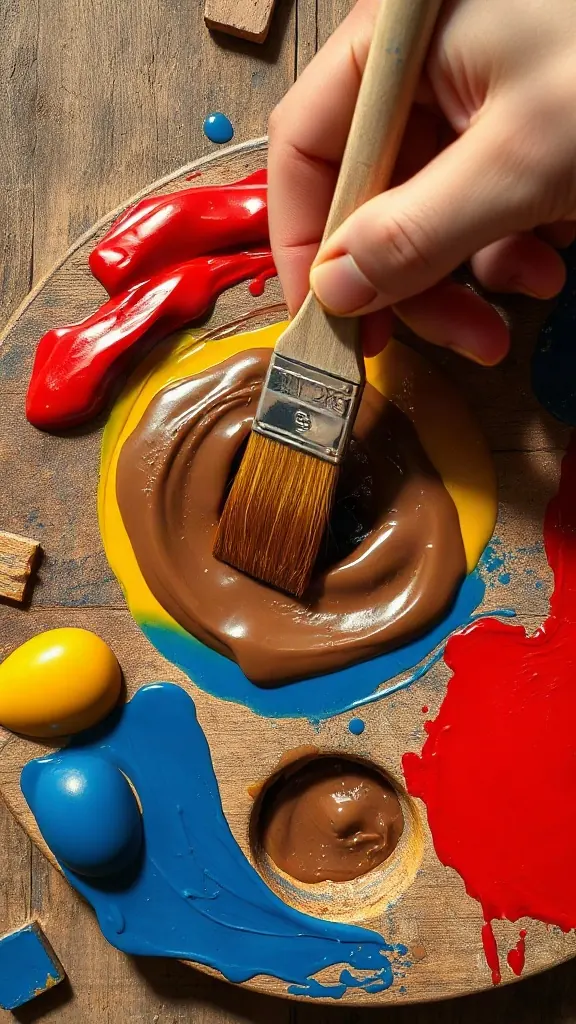
At its core, mixing brown comes down to subtracting light using physical pigments. When you mix the three primary colors (red, yellow, and blue) together, you absorb almost all visible light, resulting in brown. Alternatively, mixing complementary opposites on the color wheel creates the exact same neutralizing effect. Blue mixed with orange, red mixed with green, or yellow mixed with purple will all break down into various rich earth tones.
When I first started mixing pigments in my studio, I made the classic mistake of dumping equal parts of red, yellow, and blue onto my palette. Big mistake. You end up with an overpowering navy-black sludge because blue has a massive tinting strength. Always start with your lightest warm pigment, then slowly introduce the darker balancing colors.
How to Mix Light Shades of Brown (Pastel, Tints & focuses on)
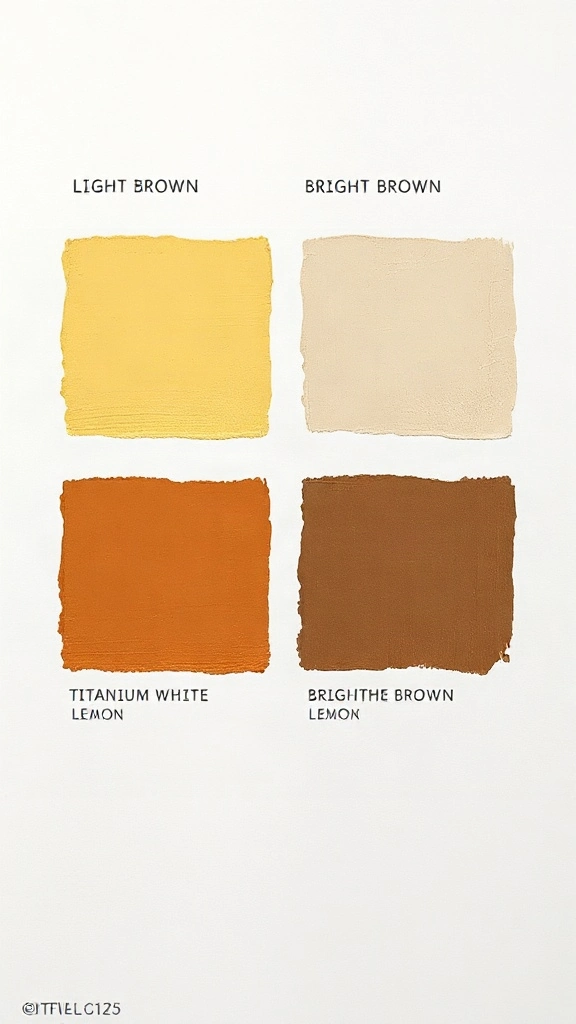
Light browns, tans, and mochas require a delicate touch. If you want a soft, luminous light brown, you cannot just add massive globs of white paint. White desaturates pigments, turning them chalky and cold.
Instead, start with a generous base of warm yellow, add a tiny dot of red, and a microscopic whisper of blue. Once you have a balanced middle brown, lighten it gradually using Titanium White combined with a touch of yellow ochre. This keeps the warm sunlight glowing within your paint layer rather than flattening it out.
How to Mix Dark Shades of Brown (Deep Shades, Rich Tones & Undertones)
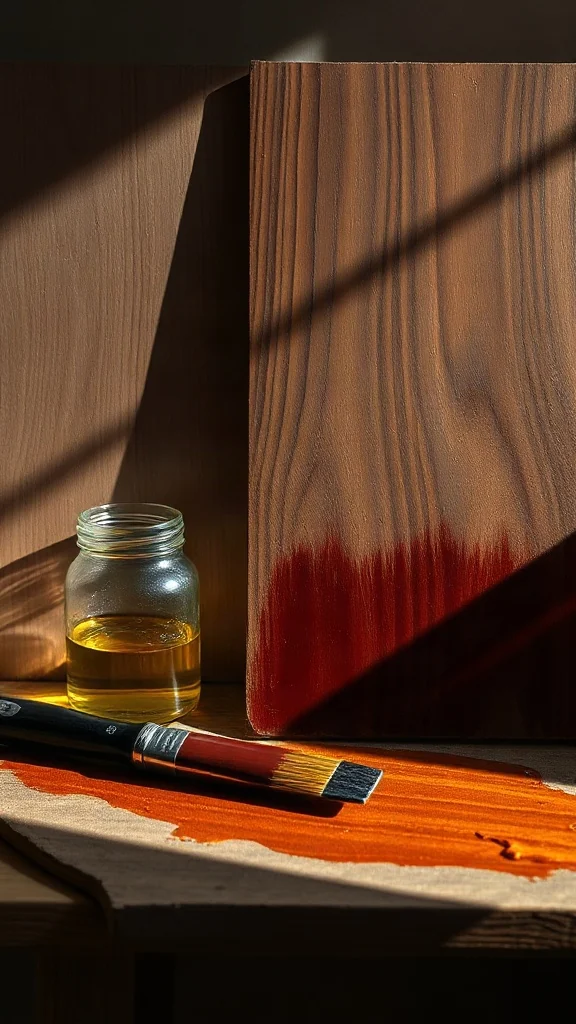
Deep espressos, chocolates, and chestnuts demand rich chromatic depth—making them ideal for styling brown living room ideas and rich leather accents. Many painters reach straight for lamp black when they need to darken a mix. Stop right there.
⚠️ Why Black Ruines Your Dark Mixes:
Adding black paint drains color saturation, turning your rich shades into flat, lifeless charcoal sludge. Always deepen with complementary pigments or deep chromatic darks instead.
To create a powerhouse dark brown like burnt umber or Vandyke brown, mix ultramarine blue with burnt sienna. The natural warmth of the iron oxide red in the sienna balances the cool, deep punch of the blue, yielding an astonishingly rich, transparent dark brown that glows under glazes.
Warm vs Cool Brown: Controlling Color Temperature
Color temperature dictates the entire mood of your space. A warm brown leans toward red, orange, and gold—frequently paired in burnt orange bedroom ideas for cozy palettes. Think of toasted acorns, raw sienna, and autumn leaves. These colors advance toward the viewer, creating a cozy, inviting atmosphere.
Cool browns lean toward blue and green undertones. Think of wet forest soil, cool shadows on tree bark, and raw umber. These recede into the background. Always inspect your pigments before mixing. Cadmium red makes a fiery, warm brown, while alizarin crimson shifts your brown into a cooler, violet-tinged territory.
8 Unexpected Ways to Mix Brown
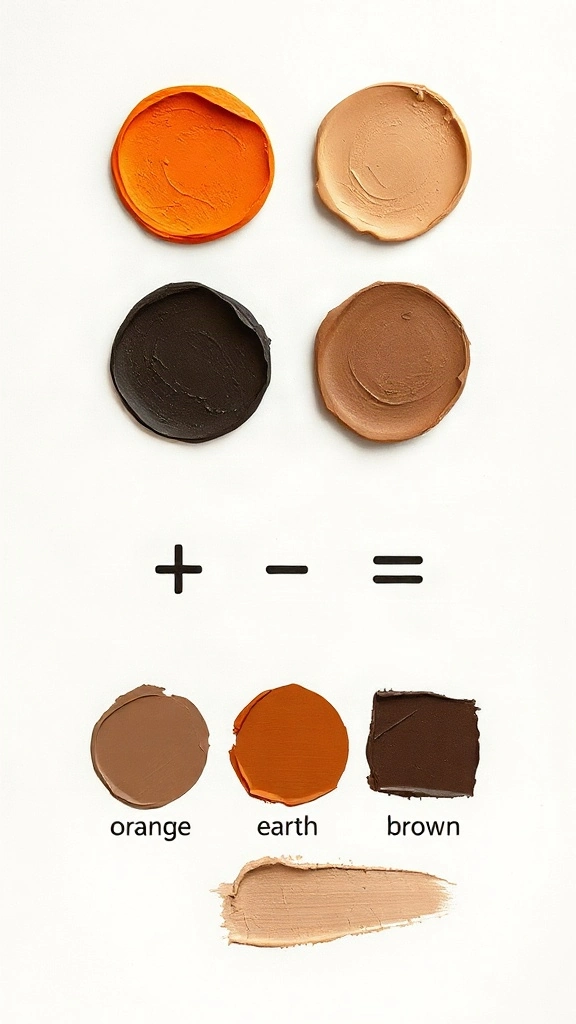
You don’t just have to rely on the standard red, yellow, and blue rule. Here are 8 alternative pigment combinations you can test on your palette today:
- Ultramarine Blue + Burnt Orange: Yields a deep, rich, velvety chocolate brown.
- Viridian Green + Cadmium Red Medium: Creates a smoky, neutral olive-brown.
- Dioxazine Purple + Cadmium Yellow Deep: Produces a striking, earthy bronze brown.
- Phthalo Blue + Yellow Ochre: Makes a muted, organic khaki brown.
- Raw Sienna + Prussian Blue: Results in an antique, weathered wood brown.
- Cadmium Orange + Cobalt Blue: Forms a balanced, neutral medium brown.
- Alizarin Crimson + Sap Green: Yields a deep, moody botanical brown.
- Lemon Yellow + Magenta + Cyan: Creates a clean, highly controllable neutral brown base.
Artist Pigment Guide: Professional Single Pigments vs Convenience Mixes
Tube convenience colors like Burnt Umber (PBr7) and Raw Sienna (PY43) are studio staples for a reason. They save time and offer exceptional lightfastness. However, mixing your own browns gives you absolute mastery over hue, chroma, and value.
When working with high-tinting pigments like Phthalo Blue, use the toothpick rule. Dip the very tip of your palette knife into the blue and mix it into a large mound of orange. If you dump a full brush of phthalo into your mix, you will instantly overpower everything on your palette.
For technical lightfastness ratings and pigment classifications, check the official Golden Artist Colors Pigment Guide.
Master Color Mixing Chart: Formulas & Proportions
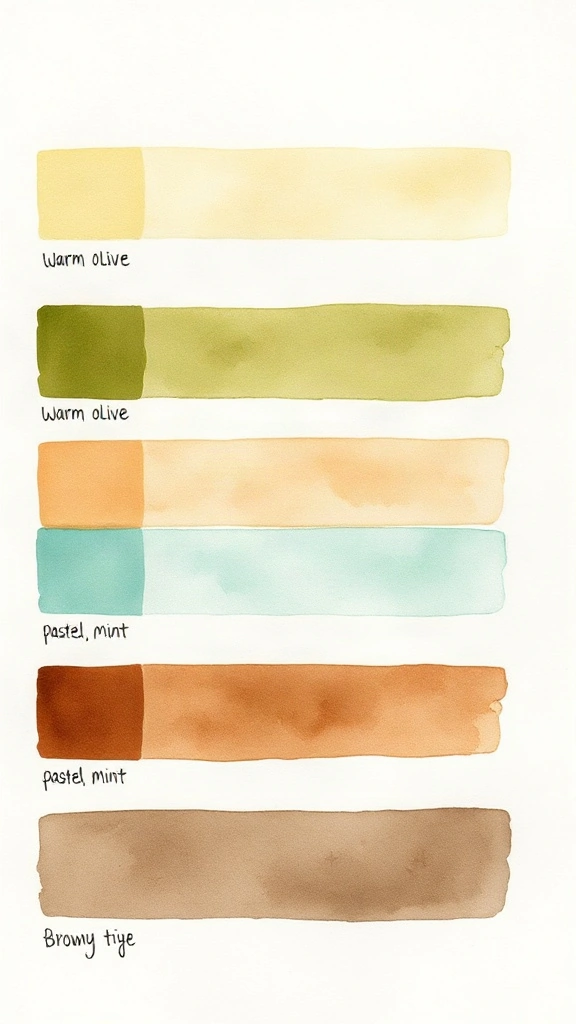
Mixing in Different Mediums: Acrylic, Oil & Watercolor
Your medium completely alters how your brown paint behaves. Acrylics dry significantly darker than they appear when wet. Always let your acrylic swatch dry fully before judging your brown mix.
Oil paint offers incredible open time. You can work wet-into-wet on your canvas, blending burnt sienna and ultramarine directly on the primed linen to achieve luminous, breathing shadows. Watercolor requires preserving the white of the paper; build your browns through delicate, overlapping transparent washes rather than heavy, opaque layers.
Digital Art: RGB Color Models & Exact HEX Codes
In digital painting software like Photoshop or Procreate, mixing brown operates on the additive RGB color model. Instead of subtracting light with pigments, you combine red, green, and blue light rays on your screen. Here are exact HEX codes for popular shades of brown:
- Classic Saddle Brown: #8B4513
- Warm Chestnut: #954535
- Rich Espresso: #362511
- Soft Tan: #D2B48C
- Deep Chocolate: #4A3B32
- Raw Umber Digital: #826644
Common Mixing Mistakes & Professional Artist Fixes
Even seasoned painters run into trouble with earth tones. Here is how to fix the most frequent mixing errors:
- Why is my color muddy? You mixed complementary colors that canceled each other out completely, or you mixed more than four conflicting pigment families. Scrape your palette clean and restart with two primary colors.
- Why is it leaning too warm? Your red or yellow ratio is too high. Neutralize the warmth When you add a minuscule dot of complementary blue.
- Why do my mixes look chalky? You used too much white to lighten your brown. Use yellow ochre or Naples yellow instead of titanium white to lift the value.
Frequently Asked Questions
Can you make brown without blue?
Yes, you can mix red and green to make brown. Since green is made of blue and yellow, combining red and green brings all three primary colors together indirectly. This method gives you incredible control over warm, earthy red-browns and olive tones.
What primary colors make light brown?
To make light brown, start with a dominant base of warm yellow and add small amounts of red and a touch of blue. Once you achieve a medium brown, lighten the mixture using yellow ochre or a minimal amount of white paint.
Does mixing all paint colors make brown?
In theory, yes. Mixing all primary paint colors absorbs most light, resulting in a dark, brownish-neutral. However, in practice, mixing random tube colors often creates an unpredictable gray-black sludge due to pigment opacity and chemical additives.
What colors make chocolate brown?
Chocolate brown is best mixed using a deep blue like ultramarine combined with a warm red-based earth tone like burnt sienna. Adjust the warmth When you add a tiny hint of yellow ochre until you reach a rich, decadent cocoa hue.
How do I fix a brown paint color that is too green?
If your brown mix looks too green or olive, your blue or yellow ratio is too high. Counteract this by introducing a small amount of warm red or burnt sienna to neutralize the green tint and restore warmth.
Conclusion: Mastering the Art of Brown
Mixing brown is a foundational skill that upgrades your entire painting practice. Keep experimenting on your palette, test your swatches before applying paint to your canvas, and embrace the subtle shifts in temperature. Happy painting!