








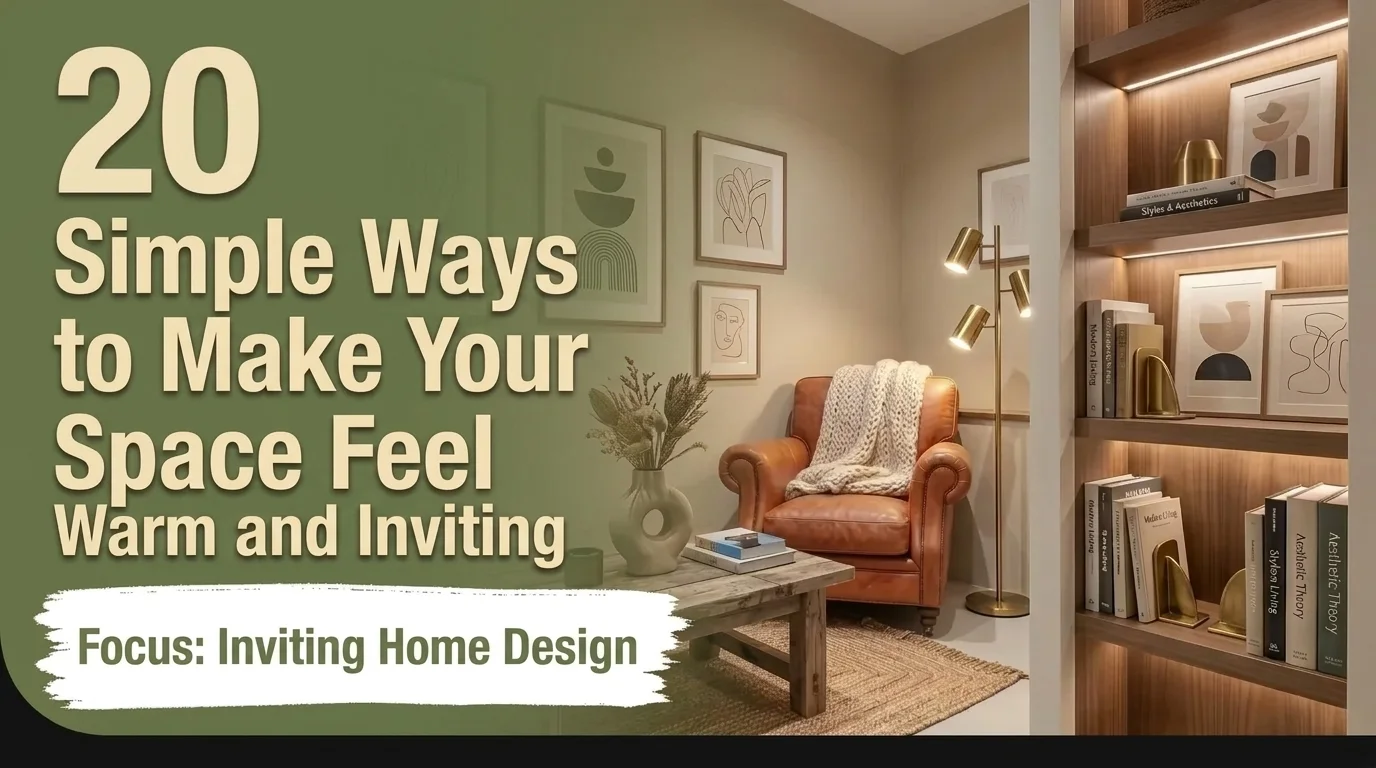
When curating your space, selecting the right inviting home design is essential for optimizing architectural proportion, everyday comfort, and aesthetic harmony. Ever walked into a room that felt cold, sterile, or oddly unwelcoming? Learning how to make a space feel inviting does not require a massive renovation or a celebrity budget. Simple shifts in lighting temperature, tactile fabrics, and organic accents completely transform the emotional pulse of your home.
Overview of Modern Inviting Home Design Solutions
1. Layer Editorial Warmth with Hidden Cove Lighting and Soft Curves
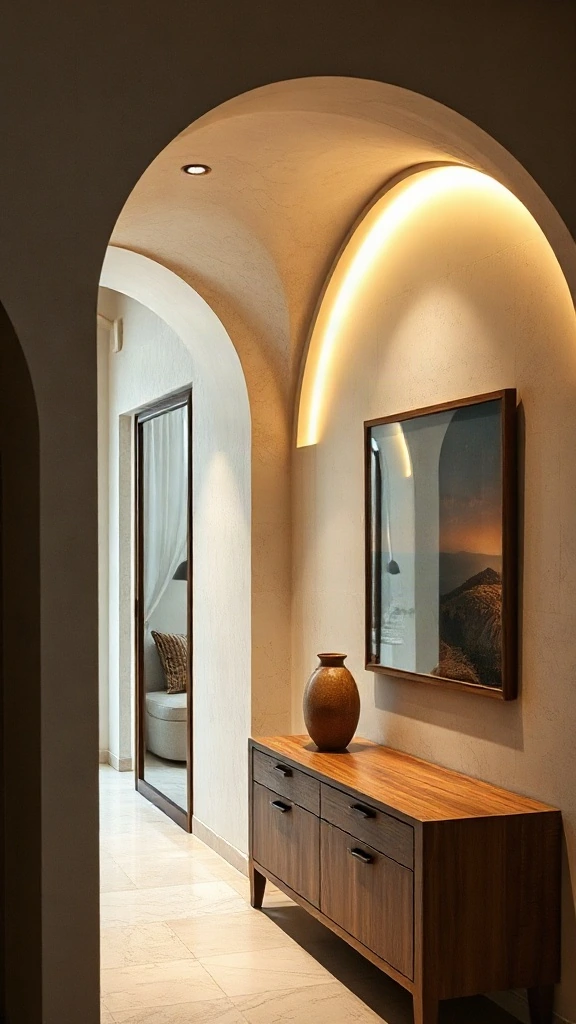
Nothing kills the comfort of a home faster than glaring overhead recessed cans. I call them interrogation lights. If you want genuine calm, install indirect illumination. Concealing warm 2700K LED tape behind picture rails or a dropped ceiling moulding washes walls with soft, ambient warmth. Framing entryways with subtle curved archway cove lighting inspiration softens boxy builder homes, guiding your eye without any visual harshness. For further architectural inspiration, also explore our guide on What Colors Make Brown? How to Mix Any Shade (2026).
You do not need an architect to pull this off. Simple peel-and-stick channel diffusers tuck right above standard crown trim. Pair these cozy architectural lighting ideas with a rotary wall dimmer. Turning down downlights while running indirect perimeter LEDs creates a serene sanctuary as dusk arrives.
💡 Pro Styling Move:
Look for LED strips rated at 90+ CRI and 2400K to 2700K. Anything above 3000K introduces blue hospital undertones that ruin relaxation.
2. Breathe Organic Life into Corners with Sculptural Biophilic Greens
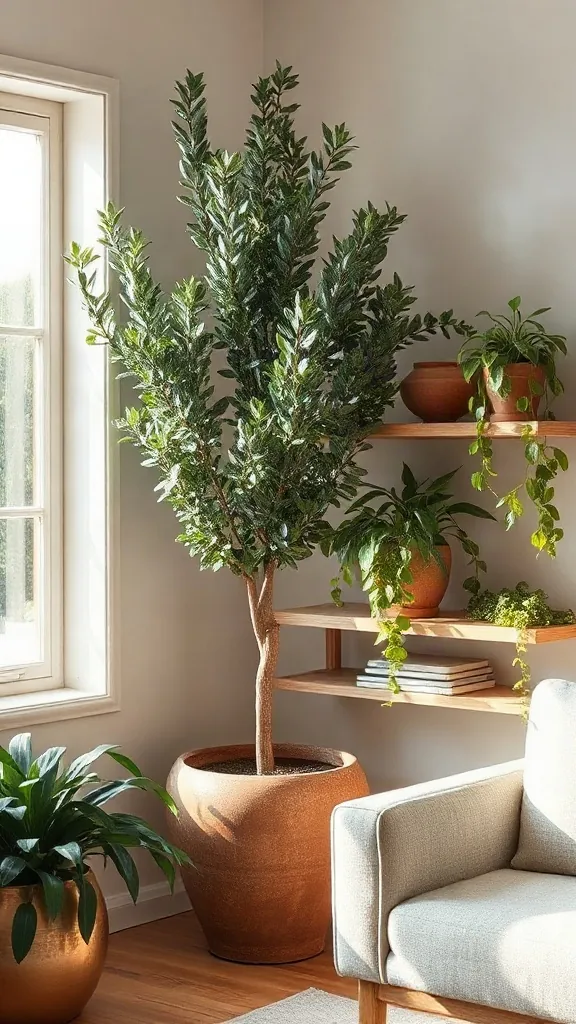
Dead corners make spaces feel abandoned. I used to stick bulky accent armchairs into tight nooks, only to stub my toes every time I walked past. That was a big mistake. Instead, use living foliage. A deliberate biophilic interior design living room arrangement brings sculptural movement and natural humidity into dry, lifeless corners.
Pick indoor plants for warm aesthetic impact. A potted olive tree in aged terracotta or a tall fiddle-leaf fig instantly breaks up rigid drywall geometry. Place smaller trailing pothos on high shelves to let vines drift downward. For more inspiration on balancing leafy foliage across broader layout types, explore our interior design styles list.
⚠️ Where People Go Wrong:
Do not crowd tiny, identical plastic nursery pots on windowsills. One large, architecturally striking plant in a heavy earthenware pot carries far more visual presence.
3. Add Custom Character with Fluted Timber and Textured Limewash
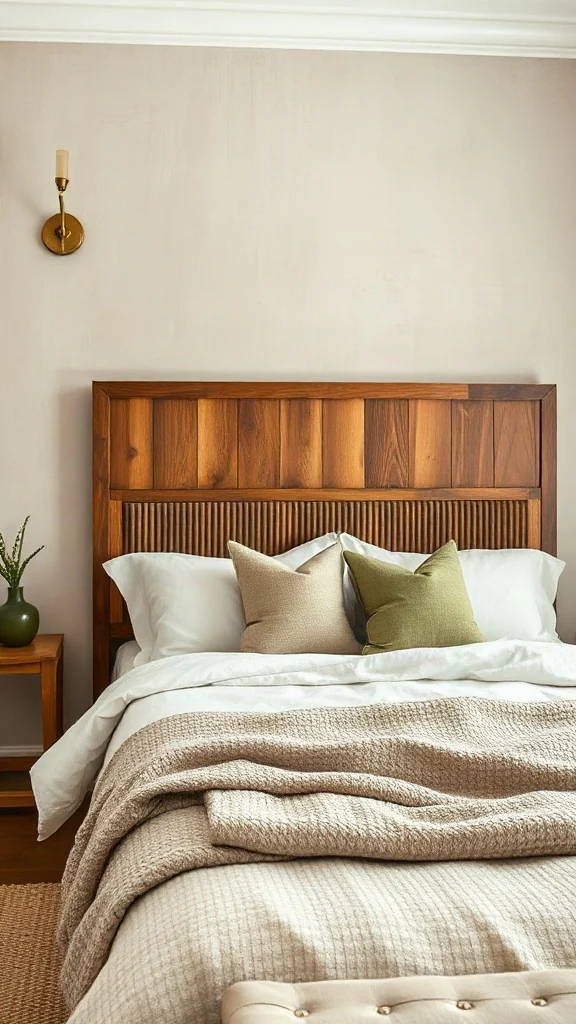
Flat, sheetrock walls painted in cold flat latex make modern homes feel like clinical waiting rooms. Adding depth is shockingly simple. A diy limewash accent wall cozy finish gives surfaces a cloudy, velvety suede look that changes subtly with natural daylight. It turns sterile drywall into rich, historic architecture in a single afternoon.
Complement chalky paint finishes by building fluted wood paneling diy bedroom details or wrapping tired media credenzas with wooden half-round dowels. These budget friendly bespoke home hacks deliver tailored warmth on a shoe-string budget. You can borrow similar tactile styling tricks from our guide to romantic master bedroom decor to turn bedrooms into restful retreats.
💡 Pro Styling Move:
Apply limewash using a wide masonry block brush in overlapping figure-eight strokes. Work quickly while keeping a wet edge to avoid obvious lap lines.
4. Break Up Showroom Sets with Mismatched Vintage Timber
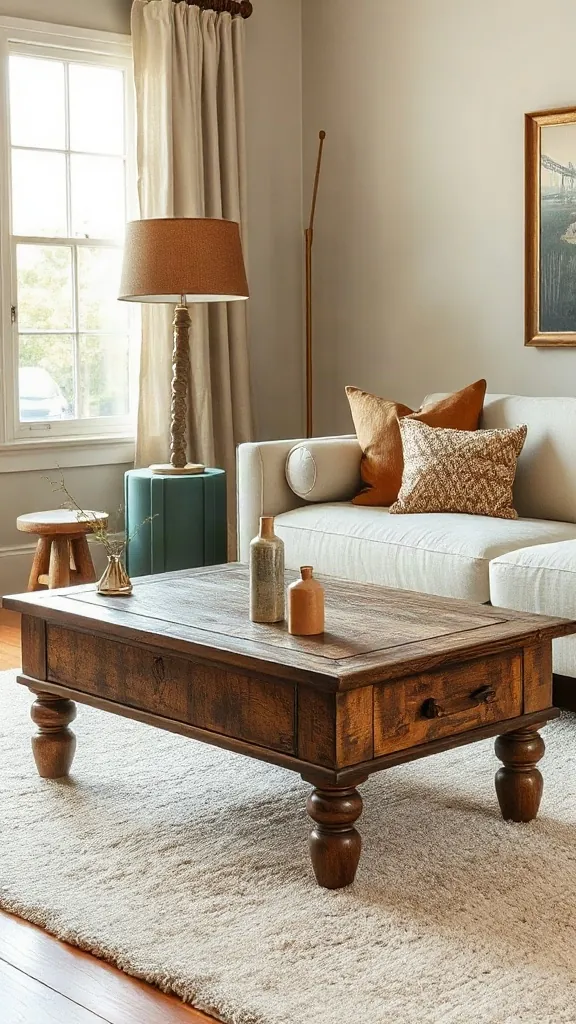
Buying matching matching furniture suites from big-box stores is the fastest route to an impersonal home. Rooms crave history. A dinged-up vintage pine bench or a walnut tea table grounds modern furniture with timeless soul. The patina tells a real story that new laminate cannot copy.
Scour local flea markets or estate sales for solid wood accent tables with genuine grain variations. Set a modern, clean-lined sofa next to a weathered country nightstand. That tension between crisp contemporary forms and aged wood creates instant, unpretentious hospitality.
⚠️ Where People Go Wrong:
Avoid mixing five contrasting high-sheen wood stains in one tiny room. Stick to two complementary species, such as warm honey oak and aged walnut, keeping finishes matte.
5. Anchor Floated Seating with Generous Textured Rugs
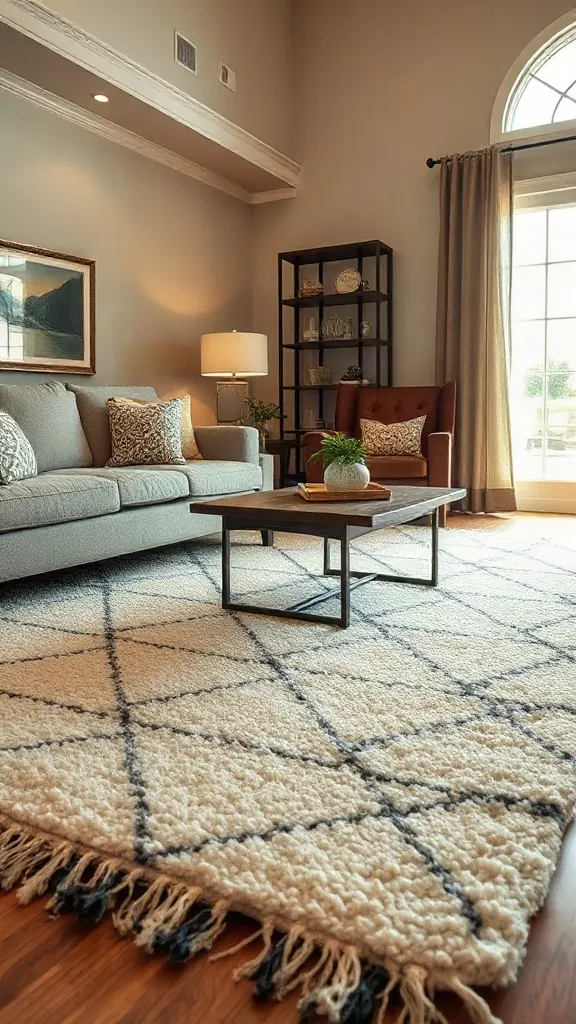
Postage-stamp rugs make rooms feel disconnected. If your accent rug sits isolated like a floating postage stamp between your sofa and media console, your space will feel physically cold. We want our feet sinking into dense, natural wool the moment we sit down.
Buy rugs large enough so at least the front feet of every major seating piece rest comfortably on top. For a standard 12-by-14 living room, skip the 5×7 rug and invest in an 8×10 or 9×12. If budget is tight, layer an affordable chunky jute rug underneath a softer, smaller vintage runner. For broader wall-to-floor scale tips, see our tutorial on how to decorate a large wall in living room.
💡 Pro Styling Move:
Always add a thick 1/4-inch felt-and-rubber rug pad beneath flatweaves. The cushion adds immediate luxury and keeps the rug from shifting underfoot.
6. Soften Window Architecture with Puddled Linen Drapery
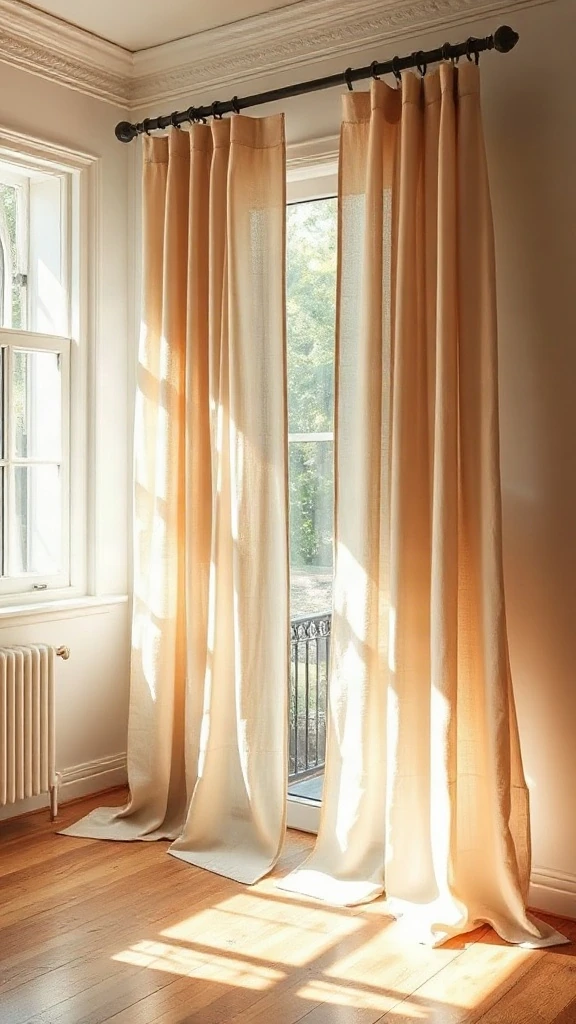
Bare window casing and cheap synthetic mini-blinds bounce noise, making rooms echo like concrete garages. Curtains do more than block streetlights; they absorb sound and introduce visual gentleness. Unlined, heavyweight linen filters afternoon light into honeyed tones that make guests instantly relax.
Mount your curtain rods wide and high, roughly 4 to 6 inches below the ceiling line rather than right on the window trim. Extend rods 10 inches past each side of the casing. When curtains hang open, the fabric frames the glass without obstructing sunshine, making your windows feel double their actual size.
⚠️ Where People Go Wrong:
Never hang drapery that stops short two inches above baseboards like high-water trousers. Hem curtains so they brush the flooring or puddle by half an inch.
7. Pull Furniture Inward to Form Conversational Islands
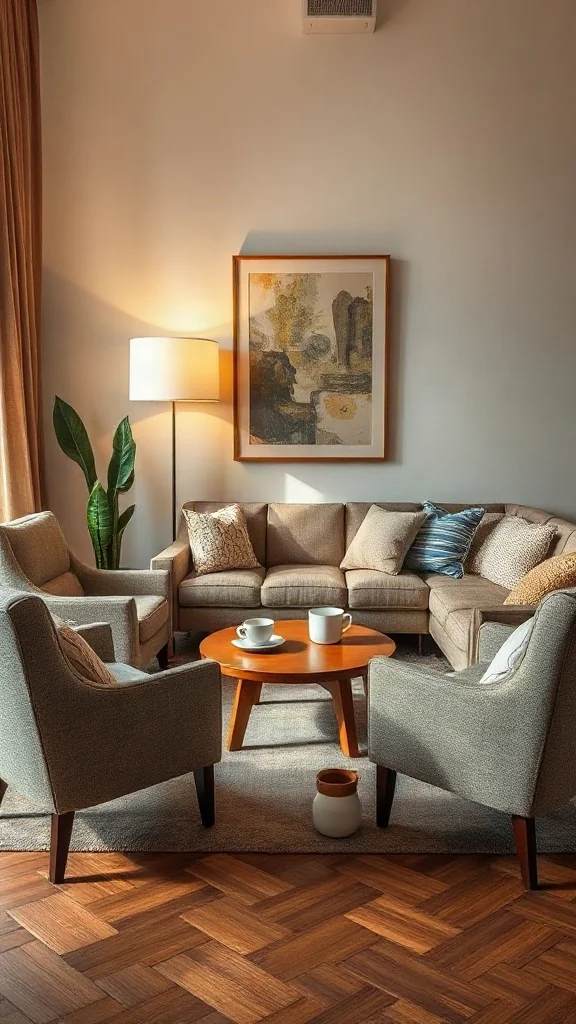
Pushing every single piece of furniture flush against baseboards creates a vast, vacant no-man’s-land in the center of your room. It feels awkward and uninviting. Pull your seating inward away from walls. Floating a couch just 10 to 12 inches into the room creates effortless flow and a cozy conversational lounge.
Keep conversation clusters tight and human. Place coffee tables within 14 to 18 inches of seating so nobody has to lean forward awkwardly to set down a hot mug. Maintain clear 30-inch perimeter walkways around the grouping so movement stays smooth and intuitive.
💡 Pro Styling Move:
Anchor floated sofas with a slim console table placed along the back. Style it with two low ceramic table lamps to disguise the plain sofa back.
8. Trade Cold Gray Paints for Earthy Oatmeal and Clay
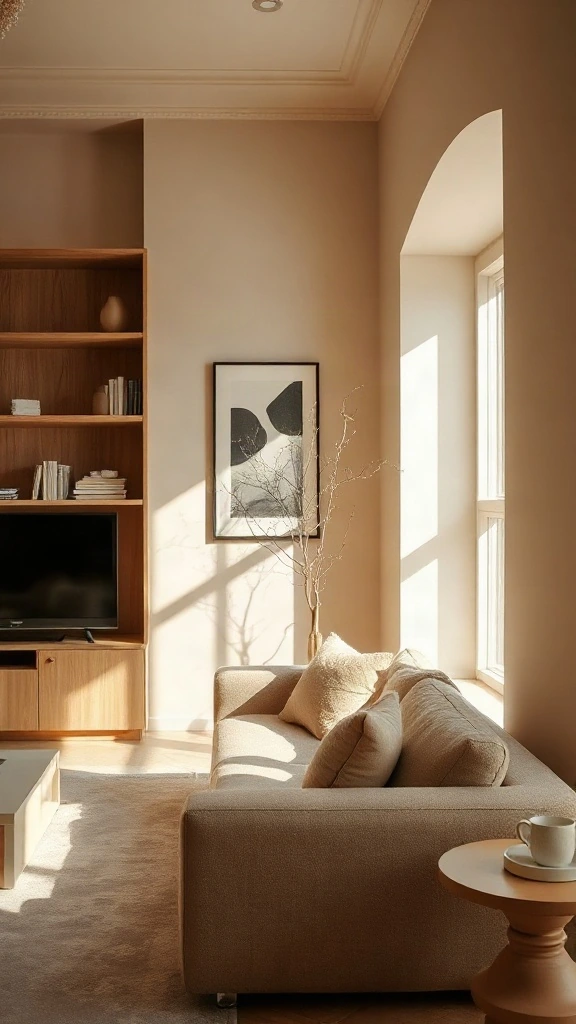
The cool millenial-gray wall trend is officially dead. Cool grays with blue undertones look icy in north-facing rooms and drain natural vitality out of timber furniture. When redecorating on a budget, a few gallons of warm paint make the single biggest psychological impact per dollar spent.
Switch to nuanced earthy tones like warm alabaster, oatmeal, or muted mushroom. Test paint swatches against your trims under both morning light and evening lamp light. Discovering how light reflects off pigments with reference guides from Benjamin Moore warm neutrals makes selecting comforting wall undertones effortless.
⚠️ Where People Go Wrong:
Never pick paint colors under commercial hardware store fluorescent lights. Always apply peel-and-stick samples on multiple walls in your actual room for two full days.
9. Ground High Ceilings with Low-Slung Ambient Table Lamps
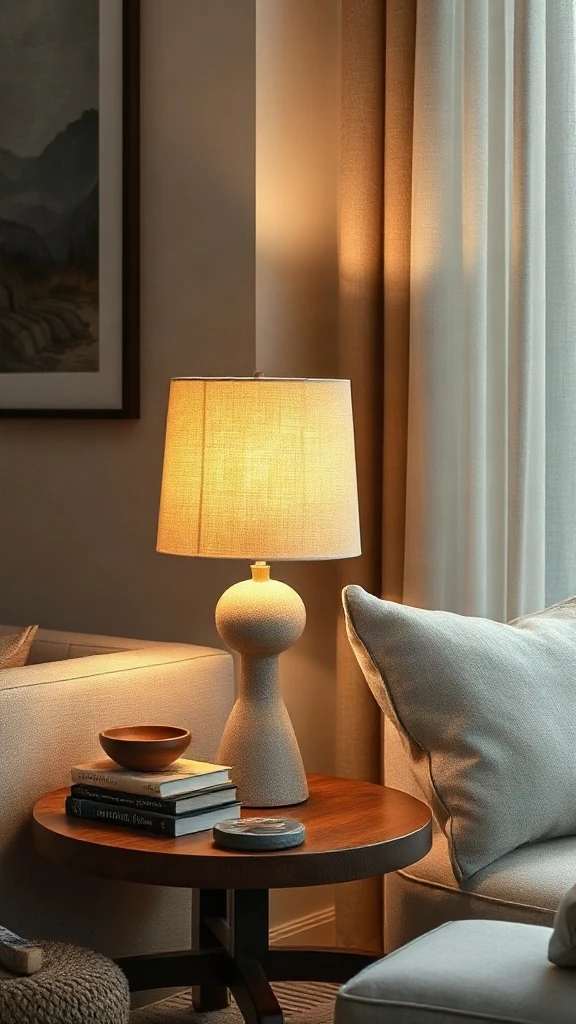
Rooms with high ceilings often feel echoey and cavernous at night. If all your lighting is up on the ceiling, the human living zone stays cold in shadow. Bring illumination down directly to eye level. Scattering small accent lamps around the room creates cozy pockets of amber glow that draw people inward.
Follow basic Architectural Digest lighting recommendations by setting lamps at varied heights between 30 and 54 inches off the floor. Use opaque paper or linen drum shades that direct light downward onto timber surfaces rather than glaring directly into seated guests’ eyes.
💡 Pro Styling Move:
Plug table lamps into smart plugs with automatic sunrise/sunset timers. Having warm lamps click on automatically at dusk eliminates cold, dark transitions entirely.
10. Create Tactile Comfort with Layered Heavy-Slub Throws
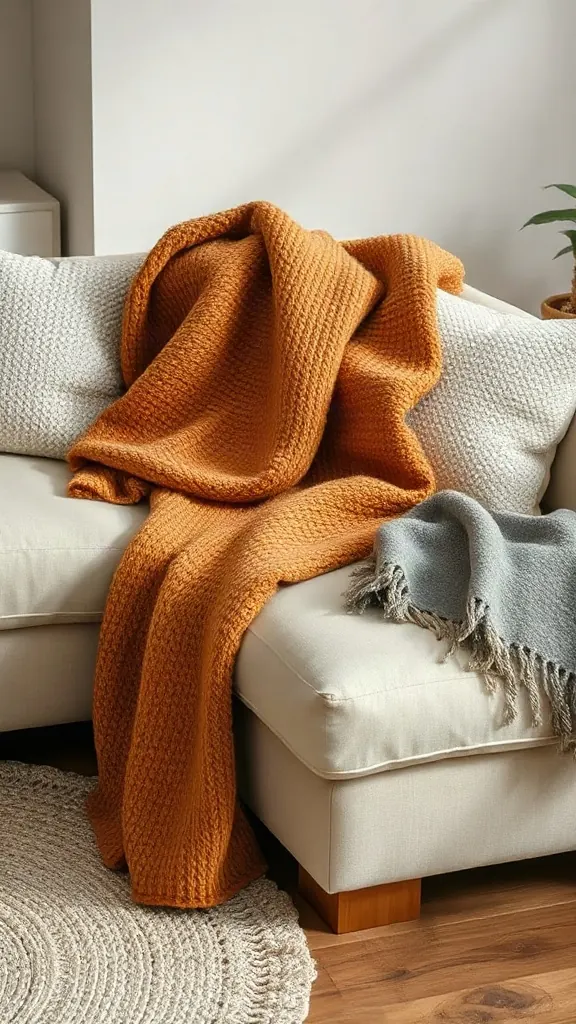
A room can look great in a photo and still feel physically unwelcoming in real life. Smooth leather and synthetic microfiber feel sleek but chilly on cold winter evenings. If you want people to kick off their shoes and stay awhile, you must pile on touchable, heavyweight textiles.
Layer contrasting weights across your seating. Pair a heavy slub-linen cushion with a chunky brushed mohair or wool waffle blanket. Fold throws casually over the arm or tuck them loosely into a woven floor basket next to your favorite lounge chair.
⚠️ Where People Go Wrong:
Avoid stiff, polyester pillow inserts that hold a rigid shape. Replace them with feather-down inserts sized two inches larger than your pillow covers for that plush, chop-friendly feel.
11. Style Surfaces Using Asymmetrical Organic Stoneware
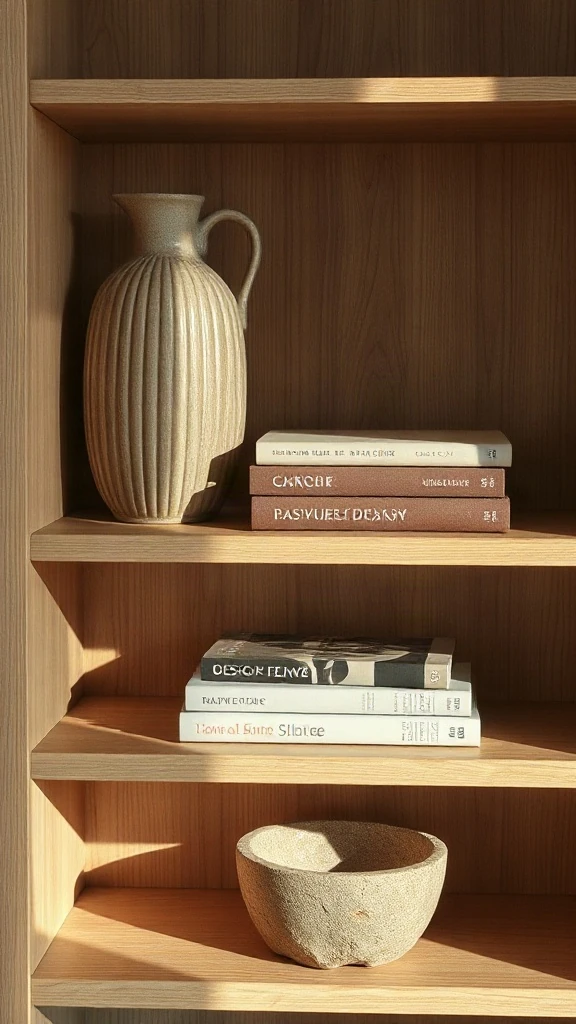
Symmetry feels formal and rigid. Think of courtroom benches or hotel lobbies. To build a cozy home, lean into organic asymmetry. A slightly wobbly handmade stoneware vessel holds more visual intrigue and human warmth than a dozen identical machine-pressed glass bowls.
Group tabletop accessories in odd numbers. Try a cluster of three objects with varying heights: a tall raw clay jug, a stack of linen-bound novels, and a shallow stone dish for matches. Leaving negative space between groupings keeps surfaces from degenerating into frustrating visual clutter.
💡 Pro Styling Move:
Incorporate unglazed, matte ceramics. Glossy finishes reflect harsh glare, while matte earthenware absorbs light, softening the overall mood of the vignette.
12. Establish an Uncluttered, Scent-Scaped Welcome Vignette
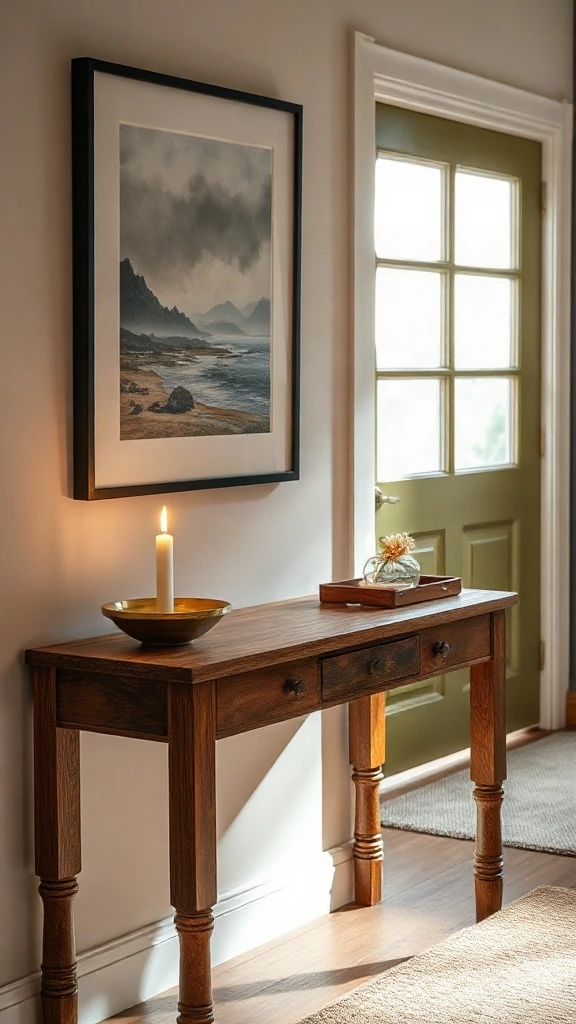
Entryways set the emotional tone for your entire home. If you open your front door and trip over discarded sneakers, tangled dog leashes, and junk mail, your body instantly tenses up. A warm welcome begins with clearing physical bottlenecks and engaging senses from step one.
Install closed shoe storage or a deep woven bench hamper right by the door. On top of a slim console table, set out a dedicated brass key tray and light a cedar, amber, or sandalwood candle twenty minutes before guests arrive. That subtle sensory greeting immediately communicates comfort and welcome.
⚠️ Where People Go Wrong:
Skip synthetic aerosol room sprays or cloying chemical plug-in fresheners. Natural soy candles, essential oil diffusers, or simmer pots offer rich scent without overwhelming headaches.
13. Swap Cold Chrome for Patinated Unlacquered Brass
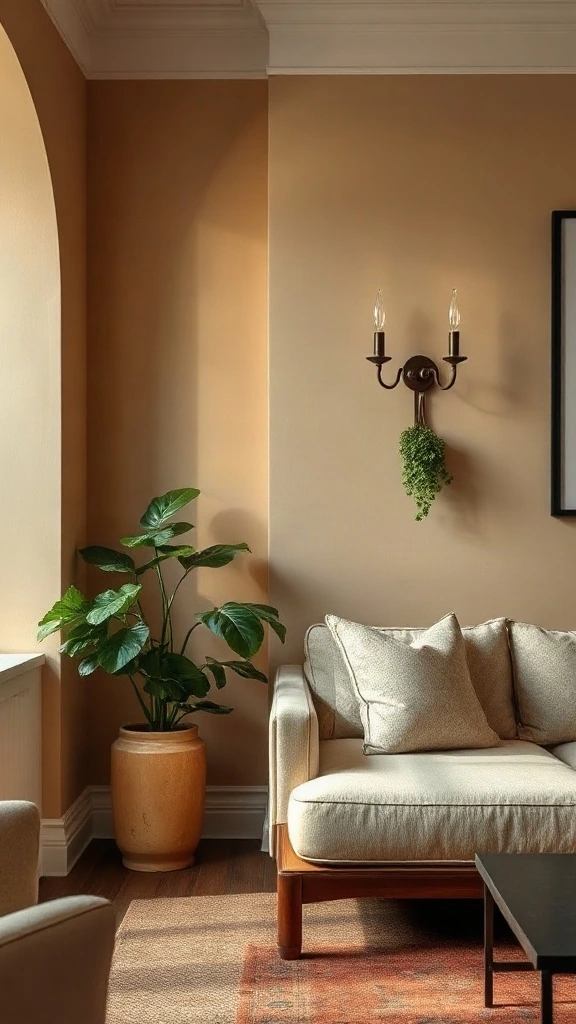
I used to specify polished chrome everywhere. Big mistake. Last year, my client Sarah swapped her cold brushed nickel hardware for living unlacquered brass. The transformation was instant. Warm brass catches afternoon sunlight beautifully and ages with grace over time. It actually works. Your room feels grounded, tactile, and deeply human rather than sterile.
Target living finishes like oiled bronze or raw unlacquered brass on high-touch elements like cabinet pulls, switch plates, and door knobs. Mix hardware finishes across a 70/30 ratio, 70% warm living metals balanced with 30% subtle dark iron accents. Choose hardware pulls sized between 4 and 6 inches long for a deliberate, custom feel.
⚠️ Where People Go Wrong:
Buying cheap lacquer-coated shiny yellow brass fixtures. They look artificial and won’t develop an authentic patina. Always opt for unlacquered or hand-rubbed brass to achieve timeless warmth.
14. Dampen Acoustic Echoes with Soft Textile Wall Art
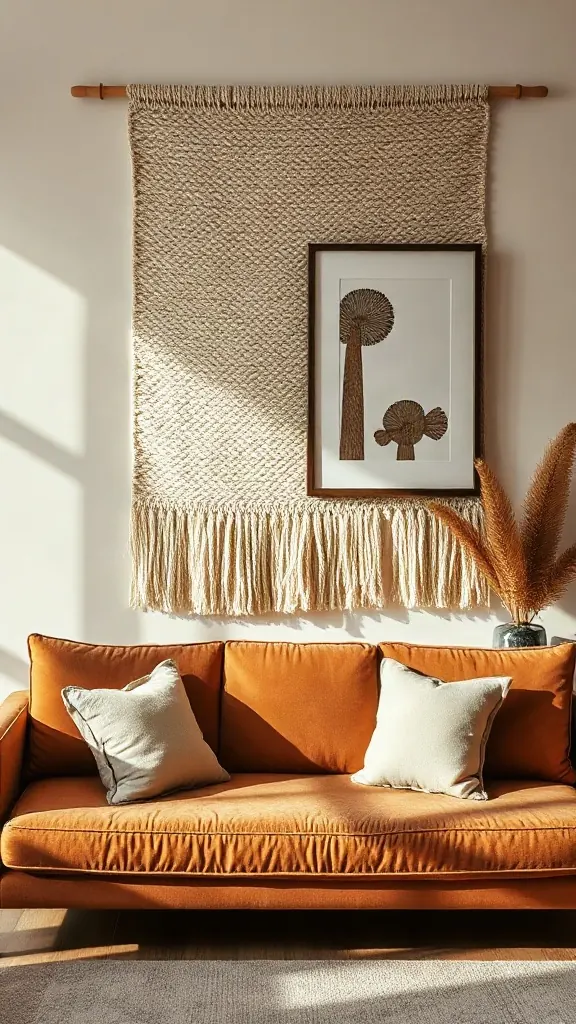
Nothing kills warmth faster than a hollow echo. When I visited David’s tall living room, the hard drywall bounce made conversation uncomfortable. We hung an oversized slubbed wool blend behind his sofa. huge upgrade. Soft fabrics absorb sharp sound waves effortlessly. Now, voices sound intimate and relaxed, naturally inviting guests to stay much longer.
Hang textile panels, woven tapestries, or framed vintage linens that span at least 50% of your primary accent wall width. Position the center point of the textile piece precisely 57 inches from the floor for eye-level engagement. Leave a 2-inch matte border inside framed textiles to create visual breathing room.
💡 Pro Styling Move:
Layer thin felt sound-dampening backing panels behind framed vintage fabrics. It doubles acoustic insulation without compromising your wall art’s visual aesthetic.
15. Frame Windows with Contrast-Painted Earthy Trim
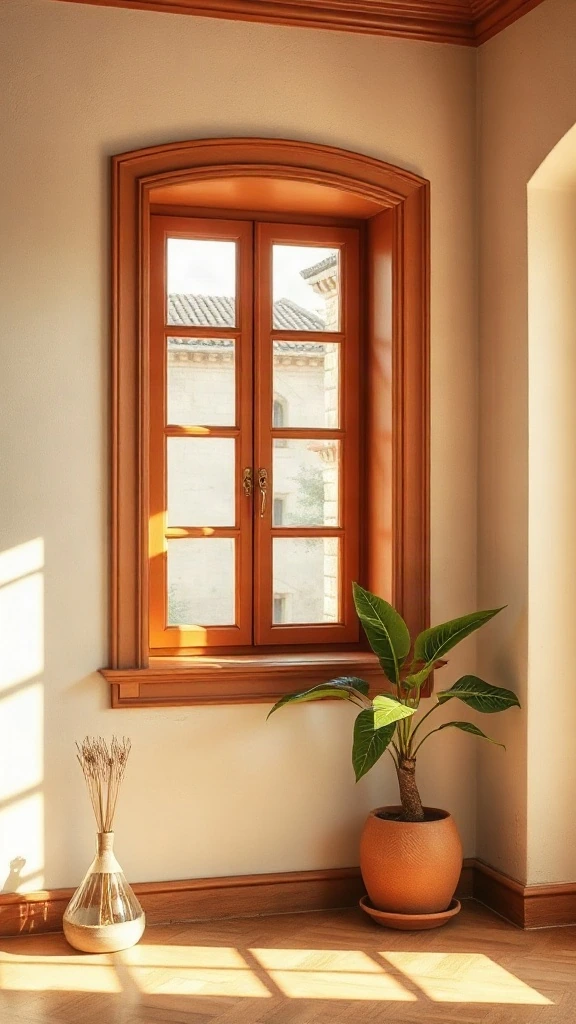
Standard bright white trim feels stark. I convinced my clients in Brooklyn to paint their window casings a rich ochre shade while keeping walls creamy off-white. Total transformation. It frames outdoor daylight like natural artwork. Eyes naturally gravitate toward the windows. The room suddenly felt enveloped in tailored, historic warmth without dark paint overhead.
Select trim colors 2 to 3 shades darker than your wall paint, focusing on muted terracotta, warm ochre, or rich olive tones. Apply an eggshell or low-sheen satin finish across window casings measuring 3.5 to 5 inches wide to subtly capture ambient light reflections without glossy shine.
⚠️ Where People Go Wrong:
Using high-gloss paint on trim. High-gloss finishes reflect harsh glare from light bulbs, which makes contrast trim feel overly clinical instead of cozy and grounded.
16. Curate Floor-to-Ceiling Shelves with Beloved Literature
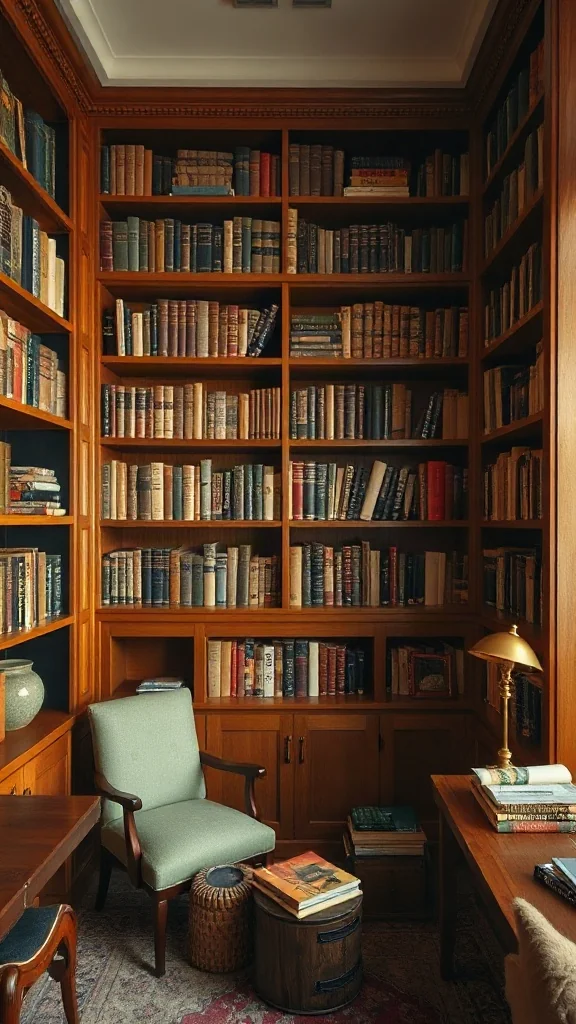
Staged catalog knickknacks lack soul. When staging Mark’s living room, we removed the mass-produced geometric objects and filled his shelves with real, well-read hardbacks. It changed everything. Books tell a personal narrative. They instantly soften hard vertical wall planes while infusing authentic color, texture, and personal history into empty living spaces.
Stack books both vertically and horizontally across shelves, keeping horizontal stacks under 8 inches high. Leave roughly 20% of shelf volume open to prevent visual clutter. Position shelf heights with 12 to 14 inches of vertical clearance to comfortably house oversized art monographs and tall hardcovers.
💡 Pro Styling Move:
Remove glossy modern paper dust jackets to expose textured cloth book spines beneath. Group similar muted spine shades together for a soft, curated editorial palette.
17. Soften Hard Edges with Warm Antiqued Mirrors
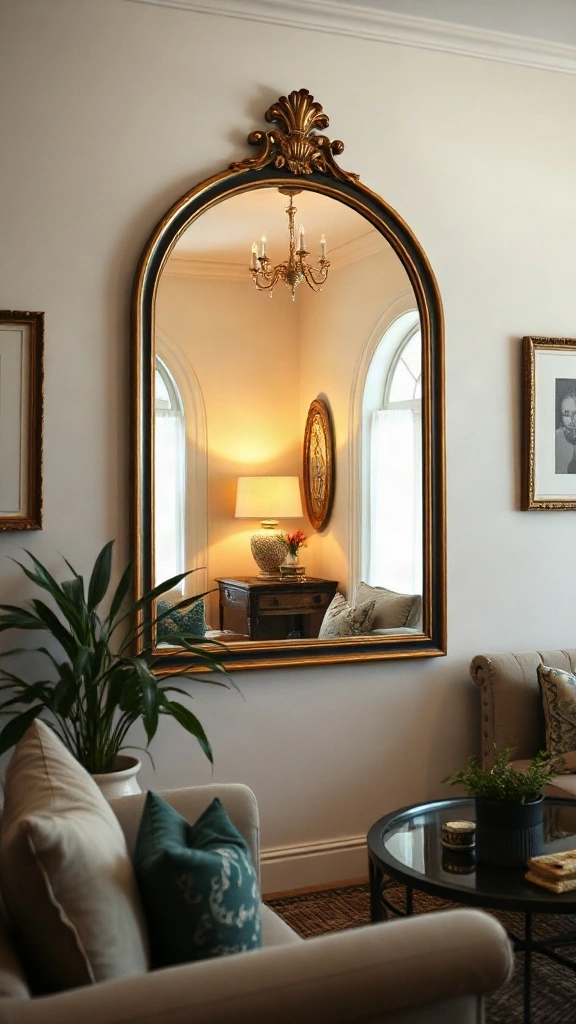
Bright silver mirrors can feel clinical. I replaced a harsh chrome-framed mirror in a client’s dim entry with an antiqued, foxed glass piece. Pure magic. The slightly speckled, warm glass bounces light around the room without throwing cold glare. It adds instant depth and historical charm to compact or shadowy footprints.
Select bronze-tinted or lightly foxed mirrors featuring rounded or arched frames. Mount mirrors directly opposite warm light sources like lamps, sizing the mirror frame between two-thirds to three-quarters the width of the console table, bench, or fireplace mantel sitting directly beneath it.
⚠️ Where People Go Wrong:
Hanging large mirrors where they directly reflect messy storage areas or TV screens. Always check what the mirror will mirror from primary seating angles before drilling holes.
18. Blend Tactile Contrast with Shearling and Aged Leather
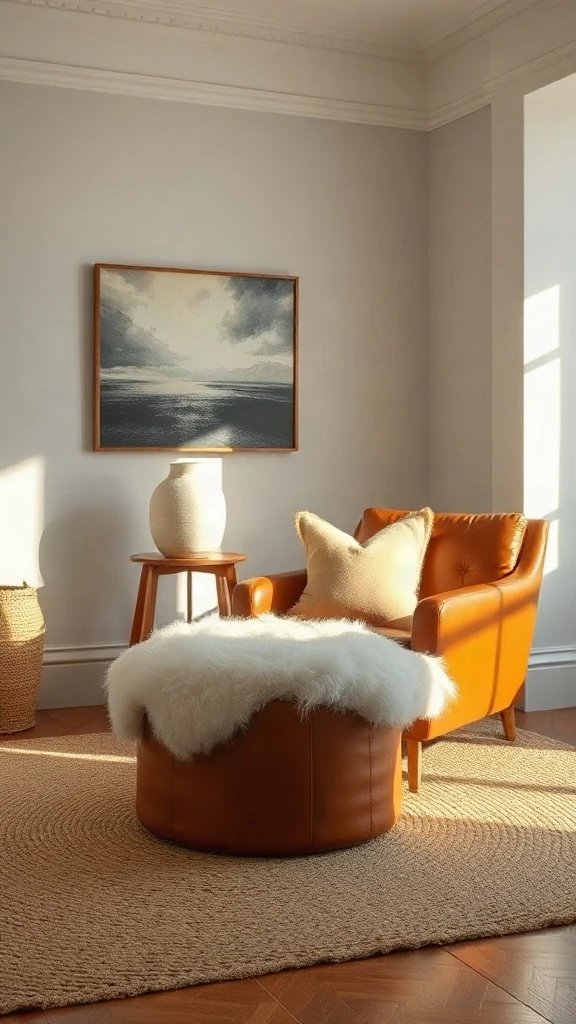
Matching upholstery feels flat. My client Maya had an all-linen living room set that felt sterile despite nice furniture. We added a patinated cognac leather armchair and a fluffy sheepskin footstool. Instant texture hit. The contrast between smooth worn leather and soft plush shearling creates irresistible sensory warmth that begs you to sit down.
Pair smooth or structured furniture with contrasting tactile accents. Incorporate 1 or 2 high-pile shearling cushions (sized around 18×18 inches) against smooth leather or flat-weave fabric seating, ensuring leather elements feature rich cognac or saddle tones rather than cold dark hues.
💡 Pro Styling Move:
Drape a genuine Icelandic sheepskin hide casually over the arm or back of a rigid wooden or metal-framed accent chair to break up hard geometric outlines.
19. Scatter Cordless Accent Lights for Intimate Glows
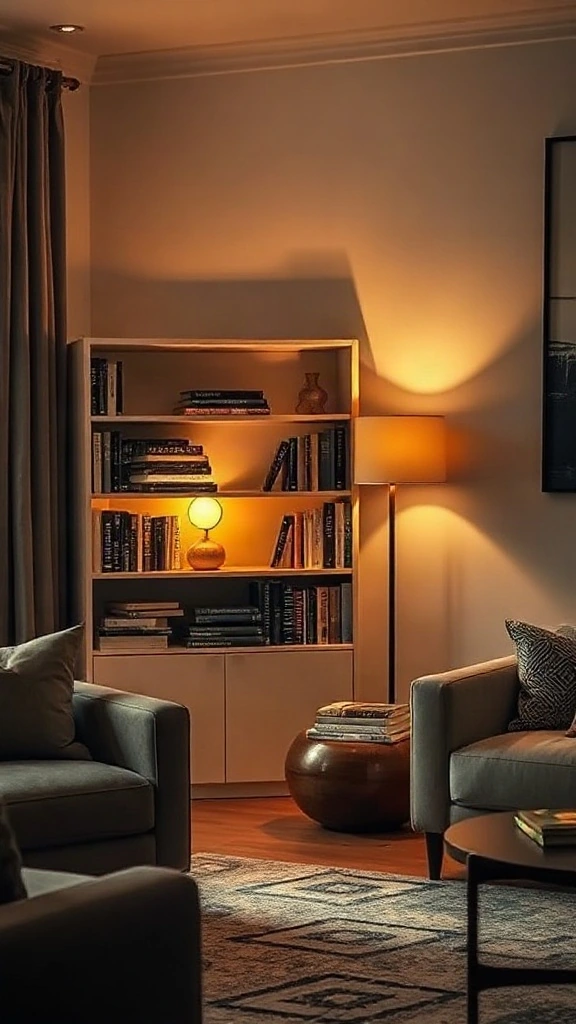
Overhead lighting ruins mood. In a recent apartment refresh, we eliminated overhead cans entirely during evening gatherings and used portable rechargeable mini-lamps instead. Unbelievable difference. Small pockets of warm light create instant intimacy. Guests lean in. Conversations soften. Pockets of ambient shadow feel intentional and romantic rather than dark or forgotten.
Place 7-to-10-inch tall cordless lamps directly on book stacks, deep windowsills, or dining sideboards. Choose warm 2200K to 2700K LED warmth settings. Keep individual light output low, around 100 to 150 lumens per fixture, to establish cozy pool-like lighting throughout the room.
⚠️ Where People Go Wrong:
Using bright cool-toned LED cordless lamps (3000K+). Cool white light washes out warm wall textures and feels like office task lighting. Stick strictly to warm-amber dimmable bulbs.
20. Anchor the Room with a Raw Clay and Tile Hearth
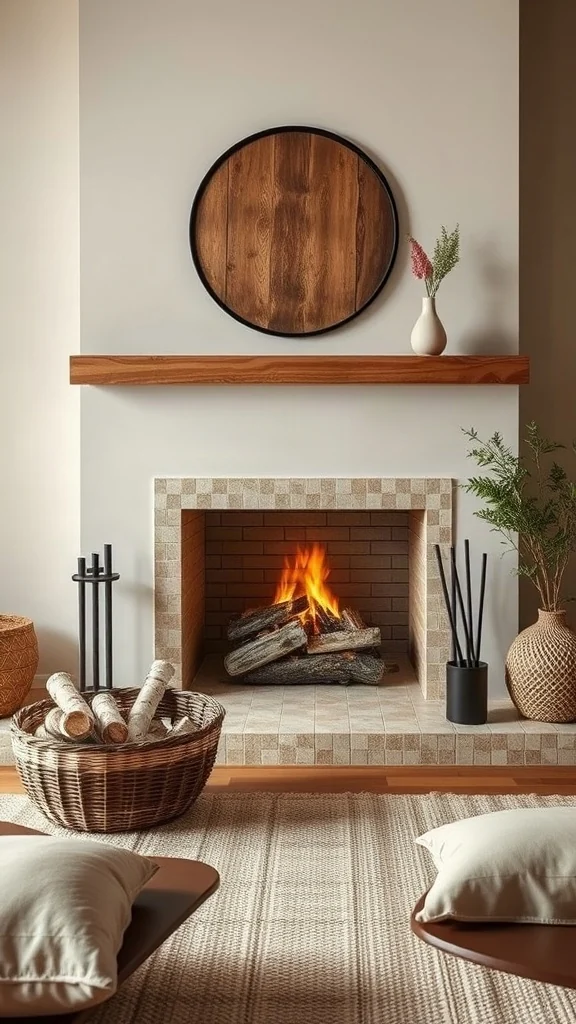
Fireplaces often look like cold brick voids when unused. We updated a client’s unused hearth with earthy zellige tiles and a hand-woven basket packed with raw birch logs. It changed everything. Even without a burning flame, natural clay textures and warm terracotta tones anchor the entire seating layout. The whole room feels grounded and homey.
Surround fireplace openings with matte terracotta or hand-molded zellige tiles extending 12 to 18 inches outward onto the floor. Style non-working hearth interiors with kiln-dried decorative logs neatly stacked inside an 18-inch tall natural rattan storage basket or raw iron log holder.
💡 Pro Styling Move:
Tuck an Amber-hued LED hurricane lantern inside non-working fireplace openings behind stacked logs for a soft, flicker-free glow during summer months.
Master Comparison: Key Approaches at a Glance
| Approach / Style | Best For | Space Requirement | Estimated Cost | Key Styling Pro Tip |
|---|---|---|---|---|
| Architectural Mood Lighting | Living rooms, primary bedrooms | Minimal ceiling perimeter | $40 – $180 | Stick strictly to 2400K to 2700K warm LED strips. |
| Biophilic Botanical Layering | Empty corners, open shelving | 2 sq ft corner floor space | $25 – $95 | Use weathered terracotta pots to add instant earthiness. |
| Textured Woodwork & Limewash | Plain accent walls, entryway credenzas | Single focal wall | $60 – $220 | Apply paint in loose, sweeping criss-cross brush strokes. |
| Conversational Seating Islands | Open plan living spaces | 10×12 ft area minimum | Free (rearranging) | Leave at least 30 inches between primary traffic pathways. |
| Tactile Textile Stacking | Leather sofas, flat upholstered beds | Any seating footprint | $35 – $110 | Mix rough-spun wool with smooth, washed Belgian linen. |
| Curated Vintage Accents | Side tables, wall decor, shelving | Compact nooks | $20 – $80 | Limit thrifted items to two patina-rich wood pieces per zone. |
Frequently Asked Questions
What makes a room feel uninviting?
Harsh overhead daylight-balanced lighting, echoing bare floors, undersized rugs, and furniture pushed flat against perimeter walls make spaces feel sterile and disconnected. Introducing layered warm lighting, varied fabric textures, and organic wood tones immediately remedies the issue.
How do I make a living room warm on a low budget?
Focus on high-impact low-cost tweaks: switch light bulbs to 2700K warm LEDs, thrift weathered solid wood accent tables, re-arrange seating into conversational clusters, and hang floor-length linen curtains high and wide to soften acoustics.
What light temperature creates the coziest atmosphere?
Aim for 2400K to 2700K for living spaces and bedrooms. Warm white bulbs mimic the soothing golden quality of late-afternoon sunlight and open flames, eliminating the harsh blue glare typical of commercial office spaces.
How do you warm up an all-white room without repainting?
Introduce textural contrast: chunky wool rugs, sculptural biophilic house plants, cognac leather accents, and raw linen throws. Natural timber elements and warm brass accents instantly break up monotone white walls without repainting.
Conclusion & Styling Takeaways
Making your home feel genuinely warm and inviting is not about mimicking sterile design catalogs. It comes down to tactile textures, golden low-level lighting, and human-scaled layouts that make living comfortable. Start small by switching out a cool light bulb or pulling your chairs inward. Pin your favorite tips to Pinterest and explore our other practical decor tutorials across cosyneststudio.com to craft a welcoming home you love living in.