






🎨 Quick Answer: What Colors Make Green?
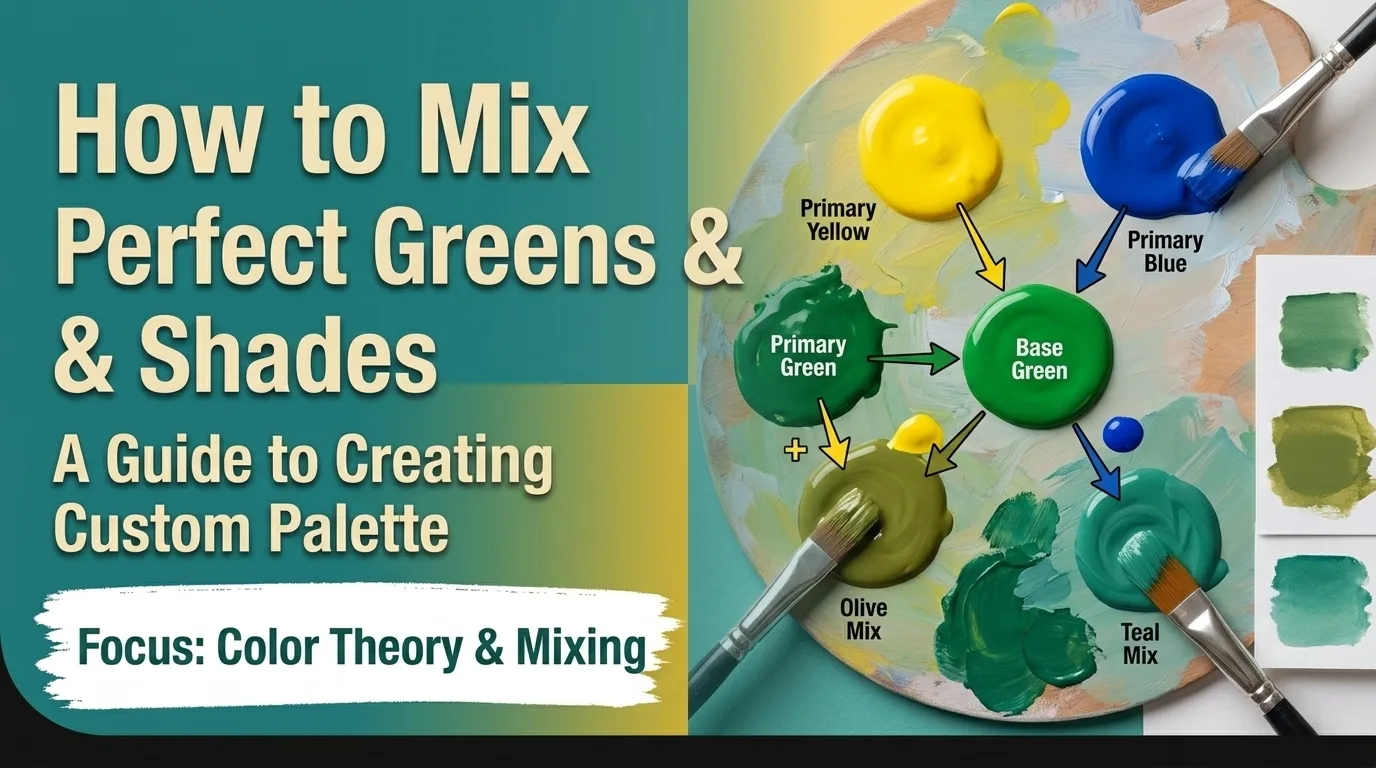
Yellow + Blue (Lemon Yellow / Cadmium Yellow + Phthalo Blue / Ultramarine Blue). In traditional subtractive color theory (painting and pigments), green is a secondary color made by combining two primary colors. But the exact shade depends entirely on your pigment temperature and mixing ratios.
Wondering what colors make green when you squeeze paint onto your palette? The basic answer is yellow and blue, but any painter knows there is more to it. A single drop of blue can completely overwhelm your yellow mix in seconds.
What Two Colors Make Green? Color Theory 101
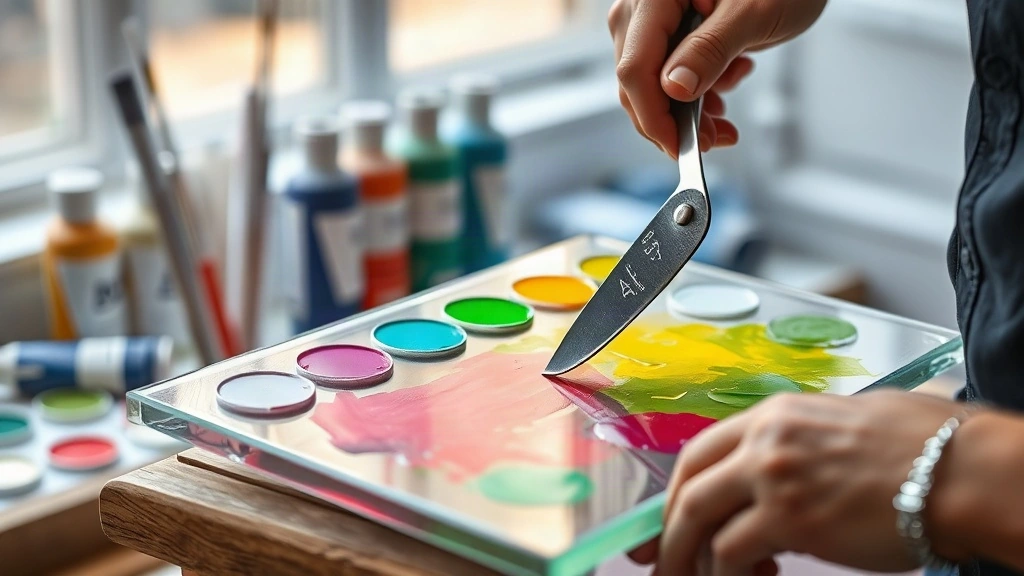
At its core, green is a secondary color created by mixing two primary colors: yellow and blue. In traditional subtractive color theory, pigments absorb certain light wavelengths and reflect others. Yellow paint reflects yellow light, blue paint reflects blue light, and when mixed, they absorb all other wavelengths, reflecting green to your eye.
Not all blues and yellows create the same green. Pigments carry color bias. A blue with red undertones, like Ultramarine Blue, produces a completely different green than a blue with yellow undertones, like Phthalo Blue. I learned this early in my career. I once spent twenty minutes trying to mix a bright spring meadow tone using Ultramarine Blue and Cadmium Yellow, only to end up with a dull olive. The hidden red in both tubes neutralized the mix.
When you want clean, vivid green, choose bias-compatible primaries. Pair cool yellow with cool blue. For muted natural foliage, pair warm primaries that carry red undertones.
How to Mix Light Shades of Green (Mint, Lime, Pistachio, Sage)
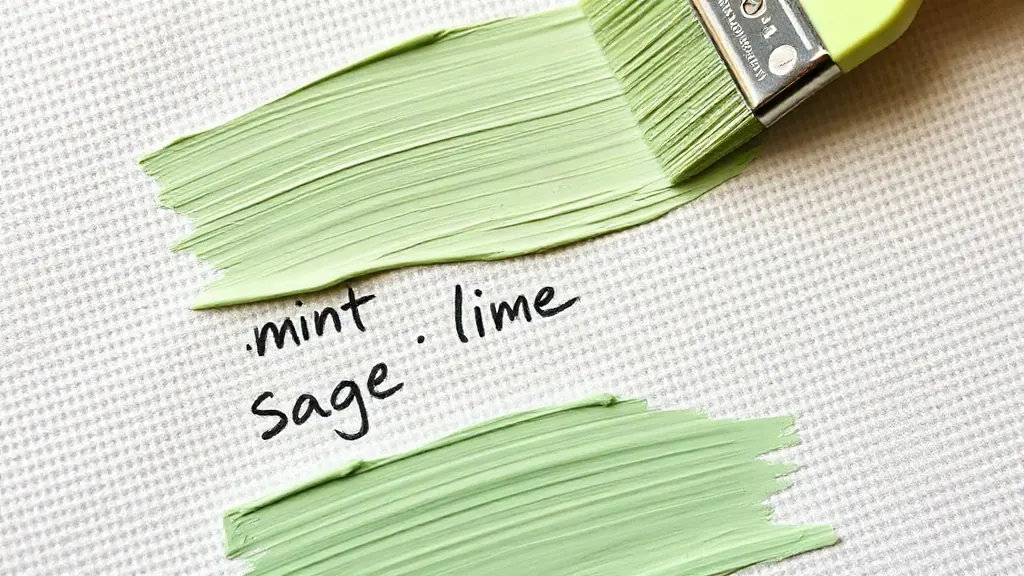
Mixing light green is not just a matter of dumping Titanium White into a dark pile of paint. Adding white cools down a mix and creates a chalky tone. To keep your light greens luminous, build them around strong yellow foundations and add blue sparingly.
Lime Green: Start with Lemon Yellow as your base. Add a tiny dot of Phthalo Blue with the tip of your knife. The vibrant yellow dominates while the cool blue pulls it straight into an electric citrus hue. Ratio: 95% Yellow to 5% Blue.
Mint Green: Blend Phthalo Blue and Cadmium Yellow Light to create a crisp green. Add Titanium White in small increments. Introduce a speck of Lemon Yellow if the shade looks too icy. Mint relies on blue bias softened by white.
Pistachio Green: Combine Cadmium Yellow Medium with a touch of Cerulean Blue. Soften the intensity with a touch of Titanium White and a microscopic speck of Yellow Ochre for earthy warmth.
Sage Green: Sage is muted. Start with a cool green mix of Lemon Yellow and Ultramarine Blue. Neutralize its brightness with a tiny dip of Burnt Sienna or Red Ochre, then lighten with Titanium White. The red component knocks back the saturation, creating that coveted dusty botanical finish.
How to Mix Dark Shades of Green (Forest, Hunter, Olive, Jungle)
Dark greens require depth, rich saturation, and careful temperature control. Beginner painters often reach for black paint to darken their greens. Big mistake.
⚠️ Why Black Ruines Your Dark Mixes:
Adding black paint drains color saturation, turning your rich shades into flat, lifeless charcoal sludge. Always deepen with complementary pigments or deep blues instead.
Forest Green: Combine Ultramarine Blue with Cadmium Yellow. Deepen the mix When you add a small amount of Prussian Blue or Dioxazine Purple. The purple acts as a deep complement, pulling the color value down without killing the chromatic richness.
Hunter Green: Mix equal parts Phthalo Green (or Phthalo Blue + Lemon Yellow) and Raw Umber. The deep brown grounds the green, creating a dark hunter shade suited for realistic landscape shadows.
Olive Green: Olive is simply yellow-green leaning toward red. Mix Yellow Ochre or Cadmium Yellow with a dark blue, then stir in a tiny touch of Burnt Umber or Alizarin Crimson. The red undertones tone down the green into a warm olive.
Deep Jungle Green: Blend Phthalo Green with Prussian Blue and a sliver of Paynes Gray. This yields an intense shadows-in-the-canopy shade that keeps its chromatic punch even in deep darks.
Warm vs Cool Green: Controlling Color Temperature
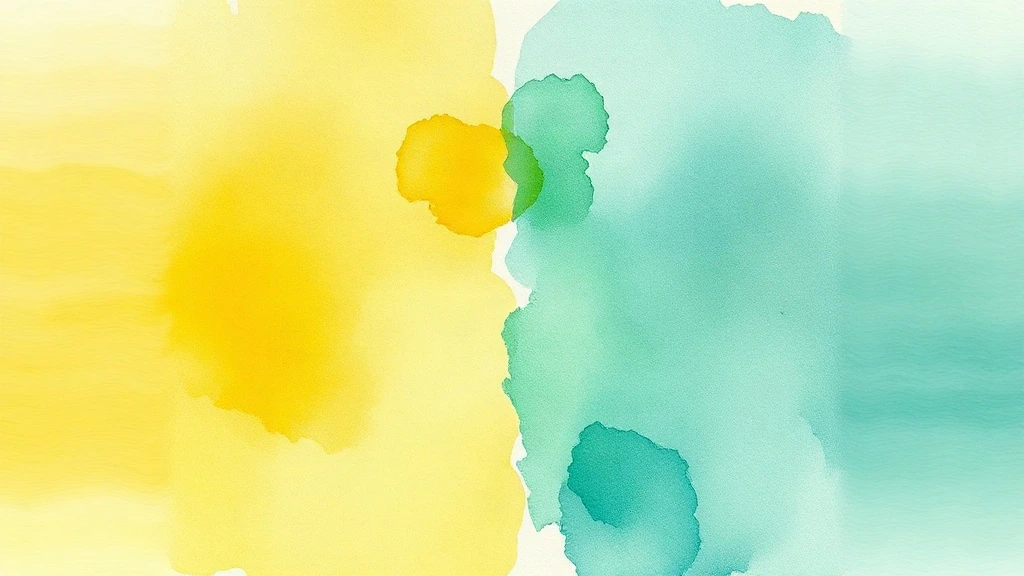
Color temperature controls atmospheric depth in your art. Warm colors advance toward the viewer, while cool colors recede into the distance. Knowing how to shift green along the temperature spectrum gives you total control over landscape perspective.
Warm Greens (Yellow-Leaning): Warm greens contain more yellow or red undertones. Think sunlit leaves, moss, autumn fields, and olive groves. To warm up any green, add Cadmium Yellow Medium, Yellow Ochre, or a touch of Warm Red like Cadmium Red Light.
Cool Greens (Blue-Leaning): Cool greens lean toward blue or teal. Think pine needles, distant mountains, eucalyptus leaves, and deep sea water. To cool down your green mix, add Phthalo Blue, Cerulean Blue, or Cobalt Blue.
In our studio tests, adjusting temperature made the difference between flat graphics and realistic dimensional landscapes. Sunlight hitting a tree canopy requires a warm, yellow-rich lime or sap green. The interior shadows of that same tree demand a cool, blue-heavy forest tone.
8 Unexpected Ways to Mix Green
You do not always need a basic tube of blue and yellow to create green. Try these eight unconventional studio mixtures on your palette:
- Yellow + Ivory Black = Olive Green: Ivory Black is actually a cool, low-intensity blue pigment. Mixing it with Cadmium Yellow produces a subtle olive green.
- Cadmium Yellow + Dioxazine Purple = Mossy Green: Purple is green’s complement. Combining purple with yellow creates a muted, earthy moss tone.
- Orange + Ultramarine Blue = Earthy Muted Green: Orange contains yellow and red. Mixed with a cool blue, it creates a muted grey-green shadow color.
- Raw Umber + Lemon Yellow = Sap Green: The greenish-brown bias of Raw Umber cuts the brightness of Lemon Yellow, yielding a natural plant green.
- Payne’s Gray + Yellow Ochre = Vintage Military Green: Payne’s Gray brings a cool blue-grey base that blends with Yellow Ochre to make a muted olive.
- Phthalo Blue + Burnt Sienna = Deep Shadow Green: The warm rich red in Burnt Sienna neutralizes Phthalo Blue, forming a dark pine foliage color.
- Turquoise + Yellow Ochre = Soft Seafoam Green: Mix brilliant turquoise with earthy Yellow Ochre to create a natural, soft coastal green tone.
- Prussian Blue + Naples Yellow = Soft Sage Green: Naples yellow adds a buttery, opaque base to dark Prussian blue, forming a subtle sage green.
Artist Pigment Guide: Phthalo vs Ultramarine & Cadmium vs Lemon
Understanding tube pigment chemistry changes your painting workflow entirely. Here is how core yellow and blue pigments perform on the mixing desk:
Phthalo Blue (Cool, Green-Bias): Extremely strong tinting power. A micro-dot of Phthalo will instantly overpower a large pile of yellow. Use it for vivid greens, emeralds, and bright tropical foliage.
Ultramarine Blue (Warm, Red-Bias): Soft, granulating, and warm. Because it contains red undertones, mixing Ultramarine with yellow yields muted, earthy greens rather than vivid electric tones.
Lemon Yellow (Cool, Green-Bias): Light, bright, and free from red undertones. It mixes clean, vibrant light greens when paired with cool blues.
Cadmium Yellow (Warm, Red-Bias): Opaque and intense. Cadmium Yellow carries a trace of orange/red. When paired with blue, it naturally mutes the green mix into earthy landscape shades.
Master Color Mixing Chart: Formulas & Proportions
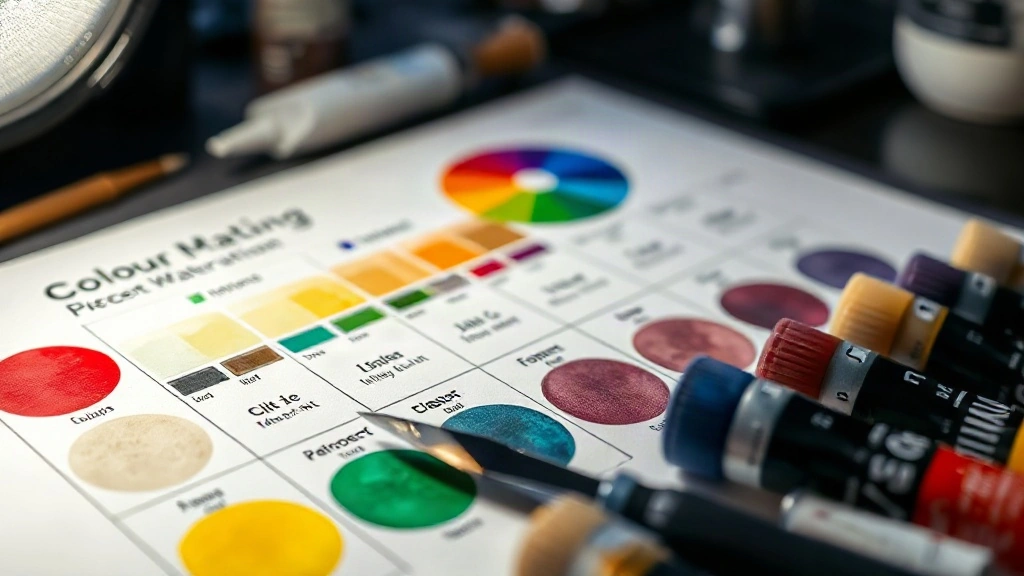
Mixing in Different Mediums: Acrylic, Oil & Watercolor
The medium you paint with drastically impacts how your mixed greens behave on paper or canvas.
Acrylic Paint: Acrylics dry fast and shift darker as the binder turns clear. Mix your light green half a shade lighter than your intended target value. Use a stay-wet palette to keep your mixed greens from skimming over during session work.
Oil Paint: Oils offer high blendability and long open time. Glazing transparent yellow glazes over a blue underpainting creates incredible optical depth that physical pigment mixing cannot replicate. Add linseed oil to thin down transparent forest shades.
Watercolor: In watercolor, white paper acts as your light source. Lighten greens When you add clean water rather than white paint. Allow colors to mix directly on wet cold-press paper for spontaneous granulating foliage textures.
Digital Art: RGB Color Models & Exact HEX Codes
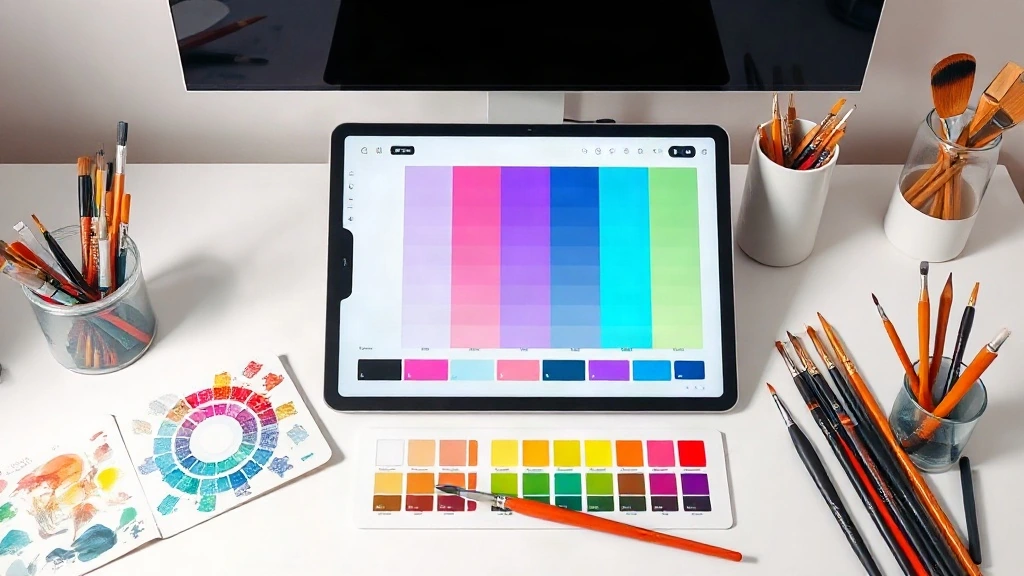
Digital screens use additive color mixing (RGB: Red, Green, Blue). Unlike physical paint pigments, green is a primary color in light. Adding red light to green light makes yellow, while blue and green create cyan.
Common Mixing Mistakes & Professional Artist Fixes
1. Why is my green muddy brown?
You accidentally mixed three primary colors together. If your yellow or blue contains red undertones, adding a third warm tone creates a muddy ternary mix. Fix it by switching to cool primaries like Lemon Yellow and Phthalo Blue.
2. Why is my green mix overwhelming my palette?
You added blue to yellow in equal amounts. Blue pigments carry vastly superior tinting strength. Fix: Always start with yellow as your base pile and drag tiny specks of blue into it gradually.
3. Why does my light green look chalky and fake?
You used too much Titanium White. Titanium White creates cool opacifying chalkiness. Fix: Brighten your green with warm Lemon Yellow or Cadmium Yellow Light instead of white.
4. Why do my green trees look flat and cartoonish?
You are using green straight out of the tube without temperature shifts. Real foliage features warm focuses on and cool shadows. Mix earthy tones like Burnt Sienna into your shadow green.
Frequently Asked Questions
What two colors make green paint?
Yellow and blue make green paint. Mixing a cool yellow like Lemon Yellow with a cool blue like Phthalo Blue yields bright, vivid greens. Mixing warm primaries produces muted olive and natural leaf tones.
How do you make green without blue paint?
You can mix green without pure blue paint by combining yellow with Ivory Black or dark cool grey. Ivory Black contains strong blue undertones that turn Cadmium Yellow into a natural olive green.
How do you make light green paint without white?
To lighten green paint without white, increase the ratio of Lemon Yellow or Cadmium Yellow Light. Yellow raises the value while maintaining chromatic vibrancy, avoiding the chalky look caused by Titanium White.
What colors make sage green?
Sage green is made by mixing yellow, blue, a tiny touch of red (or Burnt Sienna) to mute the saturation, and Titanium White to lighten the mix into a soft grey-green tone.
What colors make olive green?
Olive green is made by combining yellow with a small amount of blue, then stirring in a warm red or brown like Burnt Umber. Alternatively, blend Yellow Ochre directly with Ultramarine Blue.
Conclusion: Mastering the Art of Green
Mastering color mixing takes hands-on practice at the palette desk. Stop relying on pre-mixed tubes of sap green. Grab a knife, lay down Lemon Yellow, Phthalo Blue, and Ultramarine, and test your swatches on canvas today. Your landscape paintings will immediately show greater richness and depth.